
Driving in a bus lane can feel unfamiliar when you’re still learning, especially in busy town and city centres where traffic is constantly moving, and road layouts can change quickly. It’s one of those parts of the road that often catches new drivers out if they’re not fully aware of how it works.
Bus lane rules are designed to keep traffic flowing, particularly for public transport. Small details like timing, road markings, and road positioning can affect when and how these lanes can be used.
Getting to grips with situations like this early on can make a real difference to your confidence behind the wheel. Understanding driving in a bus lane is less about memorising rules and more about building awareness so you can make the right decisions as you go.

What To Know About Driving In A Bus Lane
Bus lanes can vary quite a bit depending on where you are and the time of day, which is why it helps to get familiar with how they work before you’re faced with them on the road. While the basic idea is simple, the details can change from one street to the next, especially in busier areas.
Because of this, it’s useful to break things down into smaller topics so you can quickly find the information you need. Here’s a quick overview of the key areas covered in this guide:
- When Can You Drive in a Bus Lane?
- Bus Lane Signs Explained
- Understanding Bus Lane Road Markings
- When Bus Lanes Are Most Likely to Be Active
- How Bus Lane Rules Differ by Location
- What Is the Fine for Driving in a Bus Lane in the UK?
- Do You Get Points for Driving in a Bus Lane?

When Can You Drive in a Bus Lane?
Whether you can use a bus lane depends entirely on the posted restrictions, which can vary widely depending on where you are driving. In many cases, bus lanes are only active during certain times of day, meaning general traffic can use them outside those hours. However, there are also bus lanes that operate all day and remain restricted to authorised vehicles only, so it’s never safe to assume the same rules apply everywhere.
- Bus lanes are often restricted during peak hours, such as morning and evening rush periods.
- Outside of operating hours, many bus lanes can be used by general traffic unless otherwise stated.
- Some bus lanes operate 24 hours a day and are never open to regular vehicles.
- Certain lanes may allow taxis, cyclists, or motorbikes, depending on local regulations.
- Restrictions can change along the same road, so always check signs at each section.
- Road layout and markings can indicate when a lane is in operation, but signs are the main source of information.
Because rules can vary from road to road, it’s worth checking each bus lane as you come across it instead of assuming they all operate in the same way. A quick glance at the signs before entering can help you avoid unnecessary mistakes.

Bus Lane Signs Explained
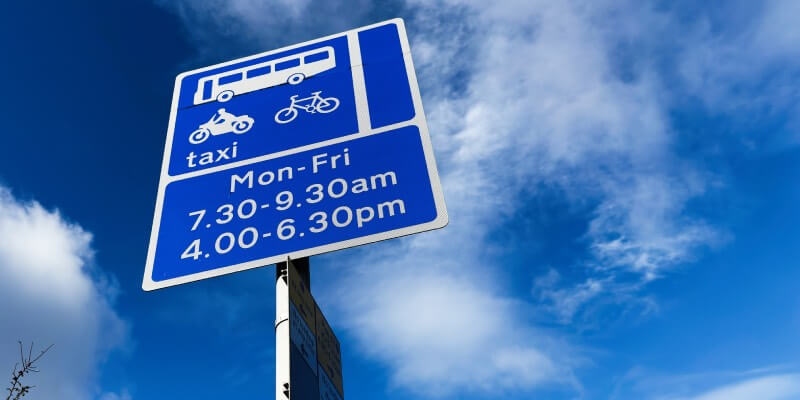
Bus lane signs are designed to clearly show who is allowed to use a bus lane and when restrictions apply. They are usually placed at the start of the lane and are often repeated along longer stretches of road to ensure drivers have enough time to react. Because bus lane rules can vary from one area to another, these signs are the most reliable source of information when deciding whether you can enter the lane.
- Rectangular signs showing the days and times the bus lane is in operation.
- Symbols indicating which vehicles are permitted, such as buses, taxis, or cycles.
- Time ranges are displayed clearly, often covering peak hours such as the morning and evening commutes.
- Additional notes or restrictions depend on the local authority managing the road.
- Repeated bus lane signs along longer roads to remind drivers of ongoing rules.
- Road layout cues, such as lane positioning, support the information shown on signs.
Bus lane signs show drivers what’s allowed and when. Most of the time, a quick glance as you’re approaching is enough to work out what the rules are, even in heavier traffic. Once you’ve seen them a few times, you stop thinking about them so much and just respond to what’s in front of you.

Understanding Bus Lane Road Markings
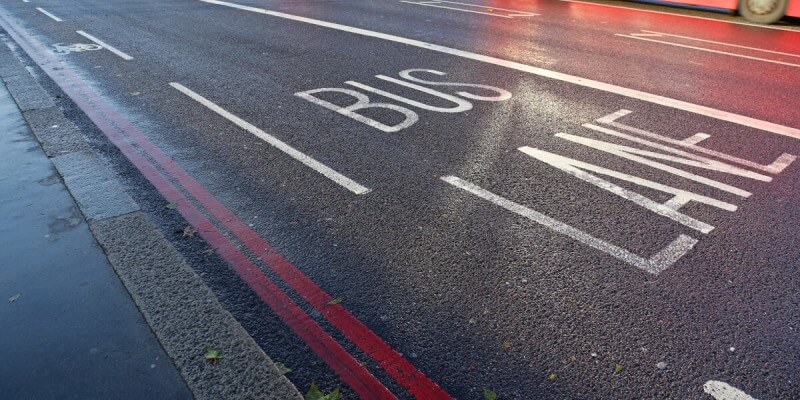
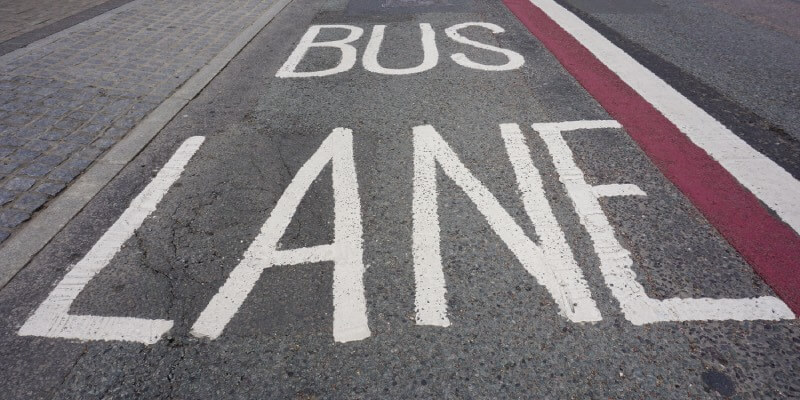
Bus lane markings help you see where a bus lane begins, how it runs along the road, and where it ends. Usually, a solid white line separates the bus lane from other traffic, and you’ll notice “BUS LANE” painted on the road at regular spots. These markings, along with signs, make it easier for drivers to spot the lane.
In some areas, bus lanes are made more noticeable with features such as red surfacing or repeated markings along the road. In others, the layout is much simpler, with just painted text and standard lane lines to guide drivers. Either way, the purpose stays the same — making it clear which part of the road is reserved for buses and when restrictions apply.
If you are taking driving lessons in Leicester with us, you’ll regularly encounter these markings in real driving situations. Our instructors help you understand how to spot them early and react correctly, so you become more confident when driving through busier roads where bus lanes are commonly used.
When Bus Lanes Are Most Likely to Be Active
Bus lanes are active during a road’s busiest times—like weekday mornings and evenings. Traffic builds up quickly at these times, and buses are given priority to keep services running smoothly. Outside of these times, some bus lanes may open to general traffic, but it’s always best to double-check, as this isn’t guaranteed.
- Morning and evening rush hours are the most common operating times.
- Weekdays tend to have more restrictions than weekends.
- In busy town and city centres, some bus lanes operate all day.
- Certain lanes only apply on specific days of the week.
- Exact operating times are always shown on roadside signs.
The clearest way to know when a bus lane is active is to check the signs at the start of the lane and along the route. These show the exact hours and any restrictions, so it’s better not to rely on assumptions based on traffic or time of day.
How Bus Lane Rules Differ by Location
Bus lane rules vary from place to place. Each town or city decides its own rules based on local traffic, road layouts, and public transport needs. Because of this, the times, types of vehicles allowed, and enforcement rules can vary by location.
- Some bus lanes are only active during rush hours, while others operate all day.
- In certain areas, vehicles such as taxis, motorbikes, or bicycles may also be allowed in the bus lane.
- How the rules are enforced can differ, too. Some places use CCTV cameras, while others have staff monitoring the lanes by the roadside.
- Road markings and sign styles can look a bit different depending on the local council.
- Some cities have tougher rules in busy city centres than in the suburbs.
Because of these differences, it’s important to treat each bus lane individually and always check the signs before entering. Getting familiar with these variations through regular practice helps learners build awareness of how rules can change from one road to another, rather than relying on assumptions from previous experience.
What Is the Fine for Driving in a Bus Lane in the UK?
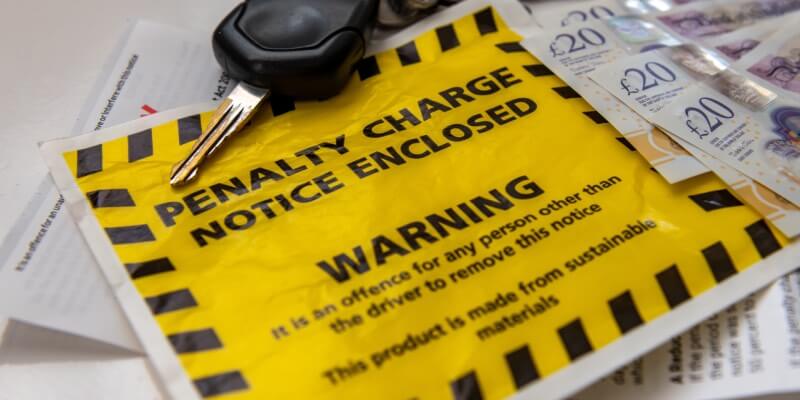
If you drive in a bus lane when restrictions are in place, you will usually receive a penalty charge notice. This is a civil fine issued by the local authority responsible for that road, rather than a criminal penalty. In most cases, the offence is identified using CCTV cameras or automated monitoring systems, so you may not be stopped at the time of the incident.
The amount of the fine depends on where the offence took place, but it is usually around £60. In many areas, you can pay a reduced amount if you pay within a set time, often 14 days. If you miss the deadline, the fine can go up, so it is best to deal with it quickly.
The notice is usually posted to the vehicle’s registered keeper. It explains what happened and tells you how to pay or appeal. The letter might arrive a few days after the incident, even if you did not realise you had entered a bus lane.
Understanding how these penalties work is an important part of becoming a confident driver. At our driving school in Leicester, we make sure learners understand how enforcement works so they can recognise situations where a mistake could lead to a fine and take steps to avoid it in the future.
Do You Get Points for Driving in a Bus Lane?
Most of the time, if you drive in a bus lane, you will not get penalty points on your licence. Instead, it is usually handled as a civil offence, so you will get a penalty charge notice rather than going to court or getting points. This is not the same as more serious traffic offences, which can lead to points or even prosecution.
For learner drivers, going into a bus lane by mistake is still taken seriously, but it will not usually affect your licence in terms of points. However, it can still result in a fine being issued to the vehicle’s registered keeper. If a learner repeatedly makes the same mistake, it may also highlight that more practice is needed in recognising road signs and lane restrictions.
If you have just passed your test, the same rules apply. You usually will not get points for a single bus lane offence, but if you keep making the same mistake or do not respond to penalty notices, you could run into problems, especially if you do not pay fines. It is best to treat bus lane rules as seriously as any other road rule.
When you take driving lessons in Leicester with us, learners are shown how to identify bus lanes early and understand when they are allowed to enter them. Building this awareness from the start helps reduce the chance of mistakes and makes everyday driving in busier areas much easier to manage.
Driving in a Bus Lane: Key Takeaways for Confident Driving
Getting to grips with bus lanes is largely about awareness and attention to detail. From knowing when you can enter one to recognising how signs and road markings guide your decisions, it all comes down to reading the road as you go. Small differences in timing, layout, and local rules can have a big impact, so building the habit of checking as you drive makes a real difference.
Keep in mind that breaking bus lane rules usually means a fine, not points on your licence, but there are still consequences if you ignore them. If you know how the rules are enforced and what to do if you make a mistake, you can avoid stress. As you drive in more places, following these rules will become natural.
At Drive 247 Leicester, we encourage learners to build this practical awareness from the start. By practising in real situations and helping drivers feel at ease in busy areas, handling bus lanes becomes easier and common mistakes are less likely.